

In this video interview with ACT editor Andy Studna, Rich Gliklich, founder of OM1 highlights existing guidances on real-world data and where there is room for even more oversight.
In this video interview with ACT editor Andy Studna, Rich Gliklich, founder of OM1 highlights existing guidances on real-world data and where there is room for even more oversight.

Latest offering leverages automation in the payment process for travel, childcare, and more.

In this video interview with ACT editor Andy Studna, Rich Gliklich, founder of OM1 touches on the idea of maximizing data collection.
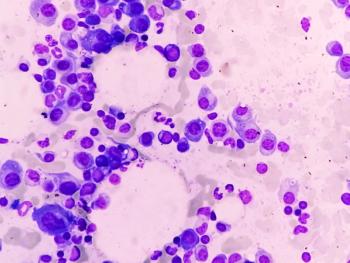
Bristol Myers Squibb and 2seventy bio have ceased enrollment in the Phase III KarMMa-9 trial, stating that advances in induction therapies for newly diagnosed multiple myeloma have reduced the eligible patient population for the trial.

Cohort study of over 290,000 patients found disparities in cancer stage at diagnosis and survival.

Ebglyss was approved by the FDA earlier this month to treat moderate-to-severe atopic dermatitis in patients aged 12 years and older who weigh at least 88 lbs.

Despite the substantial advertising dollars spent annually, patient recruitment remains one of the most difficult challenges that clinical research professionals encounter.

In this video interview with ACT editor Andy Studna, Rich Gliklich, MD, founder of OM1 discusses how real-world data can be useful throughout the different stages of a trial.
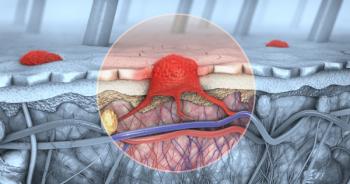
Findings from the Phase II study for neoadjuvant uveal melanoma show 49% of patients experienced a >30% tumor shrinkage.

Phase III KEYNOTE-522 trial data show Keytruda (pembrolizumab) plus chemotherapy lowered the risk of death by 34% compared to chemotherapy alone in patients with high-risk early-stage triple-negative breast cancer.
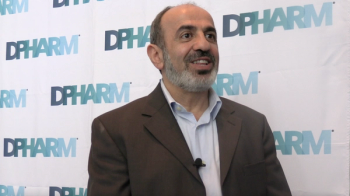
In an interview with Nico Saraceno at DPHARM 2024, Munther Baara, VP strategy and innovation, EDETEK touches on the features an effective AI/ML model can provide and how they benefit data management in trials.

Niktimvo (axatilimab) gained FDA approval in August 2024 to treat graft-versus-host-disease in patients who did not achieve a response to at least two prior lines of systemic therapy.
In an interview with Applied Clinical Trials Associate Editor Don Tracy, Sonia Lwoff, director, clinical operations, Rho, discusses the potential for artificial intelligence in clinical trial decision-making and enrollment.

Final guidance suggests sponsors select two doses for Phase II trials with additional data requirements.
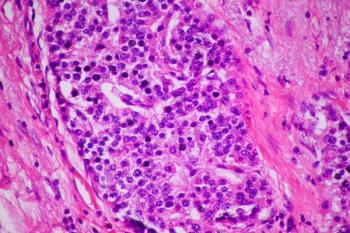
Cabozantinib (Cabometyx, Cometriq) shows potential as a new standard of care for patients with advanced pancreatic neuroendocrine tumors and advanced extra-pancreatic neuroendocrine tumors in Phase III CABINET trial.
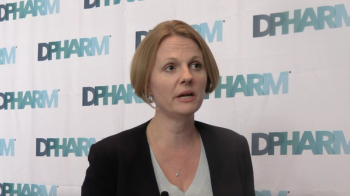
In an interview with Nico Saraceno at DPHARM 2024, Pellegrino highlights current challenges she is seeing in patient recruitment and the use of technology to identify patients.

Session provides insight as to how to boost interoperability and expand the middleware on a global scale.

Results from the the Phase III NIAGARA trial show Imfinzi (durvalumab) is the first immunotherapy regimen to significantly extend overall survival in patients with muscle-invasive bladder cancer.

Panel discusses the advantages that these models can provide in adding efficiencies to the clinical trial process.

In an interview with Applied Clinical Trials Associate Editor Don Tracy, director, clinical operations, Rho, offers her thoughts on key considerations that sponsors should be mindful of during the decision-making process with the timeline of a clinical trial.
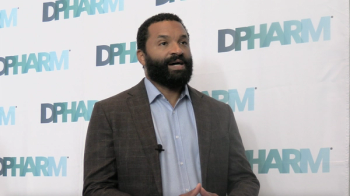
In an interview with Nico Saraceno at DPHARM 2024, Smith discusses how predictive modeling and community engagement can increase diversity.
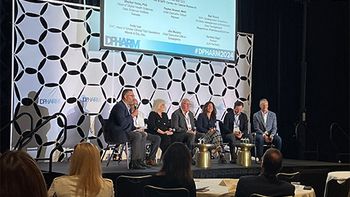
According to the session panelists, tackling challenges and finding efficiencies is imperative for success.

Kesimpta (ofatumumab) demonstrates efficacy lowering disability progression and disease activity in different populations of patients with relapsing multiple sclerosis.
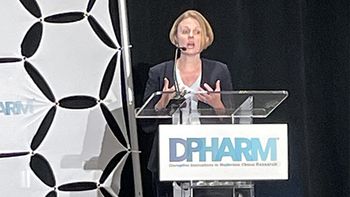
The presentation expresses the importance of putting the patient at the center of patient recruitment.
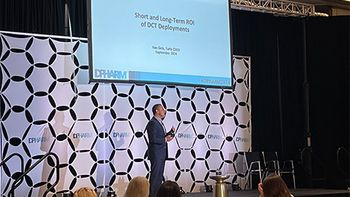
Session reveals how organizations can implement DCTs into their clinical trial planning and execution processes.
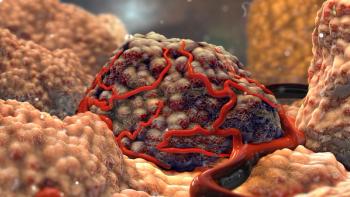
DESTINY-Breast12 trial results show Enhertu (trastuzumab deruxtecan) produced substantial overall and intracranial clinical activity in patients with HER2-positive metastatic breast cancer and brain metastases, supporting its potential use as a second-line treatment.

Multi-region clinical trials can provide for varied results, but may not paint a full picture for a specific population.

Results of a Phase II study of ponsegromab showed significant improvements in body weight, muscle function, and overall symptoms for patients with cancer cachexia, offering hope for a new targeted treatment.

In an interview with Applied Clinical Trials Associate Editor Don Tracy, Sonia Lwoff, director, clinical operations, Rho, discusses the importance of CROs building strong relationships with trial sites.
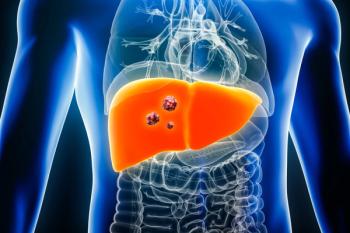
Data from the Phase III HIMALAYA trial found the combination of Imfinzi plus Imjudo reduced the risk of death by 24% compared to sorafenib in patients with unresectable hepatocellular carcinoma.