

The Phase I/IIa CLARICO trial of OpCT-001 marks the first clinical trial of an investigational induced pluripotent stem cell-derived therapy for primary photoreceptor diseases.
The Phase I/IIa CLARICO trial of OpCT-001 marks the first clinical trial of an investigational induced pluripotent stem cell-derived therapy for primary photoreceptor diseases.

In this video interview, Heather Horville, solutions consultant at Greenphire, shares how patient advocacy, localized insights, and real-world logistics can help clinical operations teams design studies that are more accessible to rural and minority populations.

Boston Scientific’s Farapulse Pulsed Field Ablation System is now approved for treating persistent atrial fibrillation, following 12-month data from the ADVANTAGE AF trial showing strong safety, high freedom from AF, and no major complications.

In this video interview, Heather Horville, solutions consultant at Greenphire, discusses how growing financial and logistical burdens on participants are threatening study timelines and data quality—and why planning for retention earlier is becoming a clinops imperative.

How the application of artificial intelligence, broader use of real-world evidence, decentralized clinical trials, master protocols, and risk-based quality monitoring, together with strong ethical oversight and increased collaboration, are contributing to better healthcare delivery and strengthening the role of clinical research in driving global health progress.

Why future-ready pharma companies must embrace AI-driven, real-time decision-making.

In this video interview, Kyle McAllister, co-founder, CEO, Trially, shares real-world examples of AI transforming clinical trial recruitment.

Results from the Phase III FORTITUDE-101 trial showed that bemarituzumab combined with chemotherapy demonstrated both statistical significance and clinical relevance in previously untreated patients with unresectable locally advanced or metastatic gastric or gastroesophageal junction cancer who are FGFR2b-positive and HER2-negative.
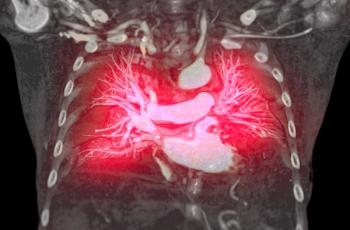
Merck’s bid to update Winrevair’s label advances with FDA priority review, backed by Phase III ZENITH data showing a 76% reduction in major morbidity and mortality events in patients with pulmonary arterial hypertension.

In this video interview, Kyle McAllister, co-founder, CEO, Trially, explains how AI is stepping in to fill staffing gaps in clinical research—streamlining patient identification, real-time feasibility assessments, and automated prescreening to help sites stay operational and efficient despite budget cuts.

How clinical operations teams can close the gap between controlled trial results and real-world adoption by generating evidence in broader, more representative patient populations.

Once-weekly cagrilintide–semaglutide combination therapy produced unprecedented weight reductions in adults with overweight or obesity, with 60% achieving ≥20% loss and strong cardiometabolic benefits, according to Phase IIIa trial results published in The New England Journal of Medicine.

In this video interview, Kyle McAllister, co-founder, CEO, Trially, discusses how clinical trial sites and sponsors are responding to funding constraints by turning to telemedicine, cost-containment strategies, and increased reliance on industry-sponsored research.

In this video interview, Kyle McAllister, co-founder, CEO, Trially, explains how staffing reductions caused by clinical trial budget cuts are threatening patient recruitment and retention and warns of the long-term ripple effects on trial timelines and healthcare innovation.

New data from the pivotal GEMZ study show significant seizure reduction with adjunctive fenfluramine in CDKL5 Deficiency Disorder.

The global Phase III PROMINENT trial has begun dosing patients to evaluate felzartamab in treating primary membranous nephropathy, a serious autoimmune kidney disorder with no FDA-approved therapies.

At ASCO 2025, clinical operations leaders gained critical insights into how AI tools, bispecific antibodies, and evolving treatment paradigms are reshaping trial design, endpoint selection, and patient stratification.

Updated results from the Phase II RedirecTT-1 trial show that the dual bispecific antibody regimen of Talvey and Tecvayli delivers deep, lasting responses in patients with triple-class exposed relapsed or refractory multiple myeloma and true extramedullary disease.

In this video interview, Kyle McAllister, co-founder, CEO, Trially, discusses how recent federal funding cuts are likely to undermine research focused on underrepresented populations, and why long-term investment in community-based studies is essential to closing persistent health equity gaps.

The Phase III BASIS trial found that once-weekly subcutaneous Hympavzi reduced treated bleed rates by 93% in patients with hemophilia A or B with inhibitors, offering a promising new prophylactic option for a population with limited therapeutic choices.

Although the SYMMETRY Phase IIb trial of the FGF21 analogue efruxifermin did not meet its primary endpoint at 36 weeks, extended 96-week data suggest potential benefits in fibrosis reduction and liver health in patients with compensated cirrhosis due to MASH, supporting continued evaluation in Phase III studies.

AI as an accelerator for data-centric, process-centric, and human-centric clinical research.

Detailed Phase IIIb STEP UP trial results presented at the 2025 ADA Scientific Sessions found that an investigational 7.2 mg dose of Wegovy (semaglutide) led to a mean weight loss of 21% in adults with obesity and no diabetes, showing the potential to expand dosing options in obesity management.

In this video interview, Judith Ng-Cashin, MD, chief medical officer, Novotech, explores how CRO partnerships are shifting to deliver greater efficiency, cost-effectiveness, and regulatory insight in response to tightening budgets and an increasingly complex clinical research environment.
Brian Ongioni, chief product officer, uMotif, discusses how AI and machine learning can enhance patient-reported outcomes by capturing meaningful feedback at scale and ensuring patient voices are reflected throughout the clinical trial lifecycle.

As clinical research increasingly relies on RWD to enhance trial design and patient insights, tokenization has emerged as a critical solution for securely linking disparate datasets while protecting patient privacy.

In a Phase II trial, Amgen’s investigational therapy MariTide (maridebart cafraglutide) delivered significant, sustained weight loss of up to 20% in adults with obesity, with or without type 2 diabetes, alongside notable improvements in glycemic control, supporting its advancement to Phase III studies as a potential once-monthly treatment option.

In this video interview, Judith Ng-Cashin, MD, chief medical officer, Novotech, emphasizes the importance of proactive communication, strategic alignment, and cross-functional collaboration in establishing strong, effective partnerships between CROs and pharmaceutical companies.
Brian Ongioni, chief product officer, uMotif, explains how early patient feedback plays a crucial role in shaping digital endpoints to ensure they are relevant, reliable, and acceptable to regulators and payers—ultimately improving clinical trial outcomes and data quality.

How human-centered AI that is focused on customer, user, and employee experience can drive real transformation in clinical trials and beyond by aligning intelligent technologies with the people who use them.